
Immersive Experiences in 2026: 7 Trends Shaping XR
- David Bennett
- 5 days ago
- 9 min read

Which immersive experiences will move from impressive demos to useful, repeatable audience journeys in 2026?
Immersive experiences are entering a more practical phase. Brands, museums, entertainment teams, educators, and cultural organizations are no longer choosing technology because a headset or projection looks futuristic. They are asking how spatial media can clarify a story, invite participation, adapt to different visitors, and keep working after opening night.
This guide explores seven trends shaping that shift—from AI characters and mixed reality to responsive spaces, digital twins, and measurable design. It also shows how the disciplines behind Mimic Immersive’s XR technology can be combined into experiences that feel coherent rather than crowded.
Table of Contents
Why Immersive Experiences Are Changing in 2026

The central change in 2026 is a move from isolated spectacle to connected experience systems. An installation may still create a dramatic first impression, but its value increasingly depends on what happens next: whether people understand how to participate, whether the content adapts, whether staff can operate it, and whether the creative system can be reused for another venue or campaign.
This favors teams that can connect story, space, software, performance, and production. A projection surface, AI model, sensor, avatar, or headset is only one layer. The visitor encounters all layers at once. The work succeeds when the entry point is obvious, the response feels immediate, and the technology supports a memorable emotional arc. That principle already guides immersive experience design across exhibitions, launches, cultural spaces, and events.
Another shift is accessibility. Experiences designed around one device, one body type, or one interaction style exclude audiences and create operational bottlenecks. More teams now plan multiple routes: movement plus touch, speech plus captions, standing and seated interaction zones, and compelling spectator experiences for people who do not want to wear a headset.
Story and audience behavior are defined before the hardware stack.
Real-time content is built as a reusable system, not a one-off video.
Accessibility, privacy, throughput, and maintenance are treated as creative constraints.
Success is measured through understanding, participation, dwell, recall, or action—not footfall alone.
AI Avatars Become Spatial Characters

AI avatars are evolving from animated chat windows into characters that belong inside a space. In an exhibition, retail environment, event, virtual world, or mixed-reality journey, a digital human can welcome visitors, establish the story, answer questions, demonstrate a process, and direct attention toward physical objects or other scenes.
The important trend is not simply better conversation. It is coordination between language, appearance, voice, gaze, gesture, timing, and environment. A character feels believable when its responses fit its role and the pace of the room. Mimic Immersive’s work with interactive avatars shows why an avatar needs a designed personality and visitor function, not just access to a language model.
In 2026, more avatar systems will use context. They may know which scene a visitor has completed, which product is nearby, what language was selected, or whether the room is busy. That context allows shorter, more relevant responses. It also reduces a common failure in public installations: a character that speaks too long while a queue grows.
Responsible design remains essential. Visitors should understand when they are interacting with AI, what information is being captured, and how to leave or restart the experience. Conversation data should be minimized, consent should be explicit when personal information is requested, and a graceful scripted mode should keep the installation useful if network services are unavailable.
Mixed Reality Becomes More Context-Aware

Mixed reality is strongest when digital content understands the physical situation around it. Instead of placing generic 3D objects in a room, new experiences align media with architecture, products, performers, tools, and visitor movement. A virtual guide can point toward a real exhibit. A product layer can reveal hidden components. A narrative character can appear to pass behind a physical wall.
This context-aware approach brings extended reality closer to spatial interface design. The creative team must consider occlusion, scale, lighting, sound, field of view, safe movement, and the transition between shared reality and personal digital layers. These details determine whether the experience feels situated or simply overlaid.
Brands and cultural organizations can use mixed reality for guided product discovery, location-based storytelling, training, remote collaboration, and previsualization. The key is deciding what genuinely benefits from spatial placement. Instructions that depend on a physical object may be clearer in AR. A journey that requires complete environmental transformation may fit VR. A public installation may work better through projection so groups can share the moment.
The practical question is no longer “Should we use XR?” It is “Which parts of the story need presence, which need shared visibility, and which should remain physical?” Choosing the right mode for each moment produces a smoother experience and keeps hardware from becoming the main attraction.
Responsive Installations Move Beyond Touchscreens

A responsive installation notices what visitors do and answers through light, image, sound, character, or physical change. In 2026, that feedback loop is becoming more ambient. Computer vision, depth sensing, lidar, microphones, pressure sensors, tracking, and anonymous zone data allow a space to react without forcing every visitor through a touchscreen menu.
The best systems make cause and effect discoverable. A wall of particles may follow a gesture; collective movement may reveal a landscape; a voice may alter a projected world. The recent guide to designing an interactive art installation explains why sensing, interpretation, and expression must be designed as separate layers. That structure lets teams tune sensitivity or change media without rebuilding the entire work.
Responsive design also supports groups. One person can influence the foreground while a crowd changes the atmosphere. Spectators learn by watching, then step in when the invitation becomes clear. This social visibility can be more inclusive and scalable than one-user interfaces, especially at exhibitions, festivals, launches, and busy public venues.
Reliability is part of the art. Sensors need calibration, edge cases need testing, and the experience needs an idle state, reset behavior, and fallback mode. When those systems are designed early, the installation can feel spontaneous while remaining stable for staff and audiences.
Immersive Art Becomes Social and Participatory
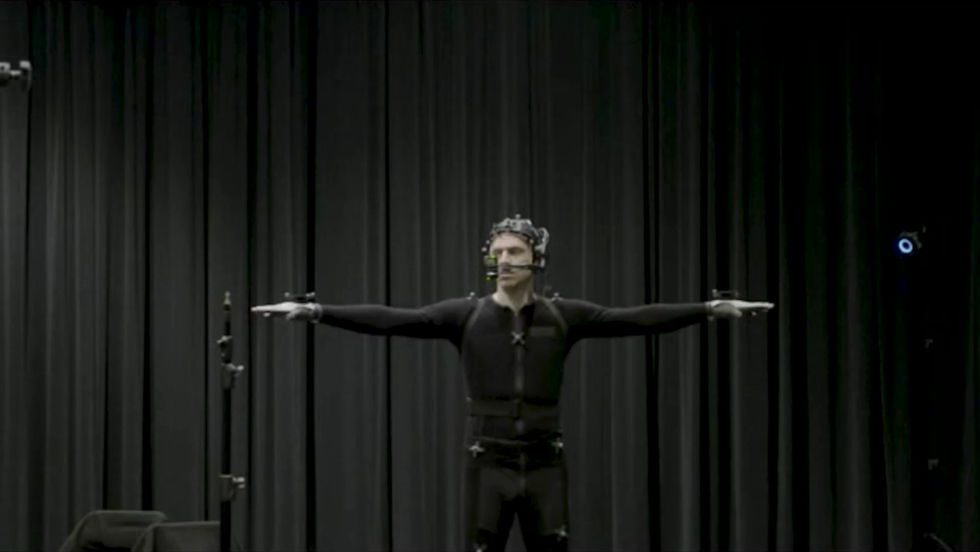
Immersive art is shifting from a room people photograph toward a medium people actively shape. The audience may contribute movement, speech, choices, drawings, biometric signals, or collaboration. Their input becomes part of the composition, so each performance differs while the artist still controls the rules, tone, and boundaries.
Participation creates stronger memory because visitors recognize that their presence mattered. It also changes authorship: the creative team builds a responsive score rather than a fixed sequence. Mimic Immersive’s work in immersive art and interactive technology combines real-time media, avatars, motion capture, and projection so the audience can influence a world without losing the intended story.
The social layer matters as much as individual interaction. People imitate one another, collaborate, compete, and perform for friends. Designers can use that behavior intentionally through shared goals, cumulative visuals, group thresholds, or moments that require cooperation. A strong spectator view ensures the experience remains engaging even when not everyone is controlling it.
For museums and brands, participatory art can also connect to a wider journey. A responsive scene might lead visitors toward another gallery, a product story, or a conversation with staff. The same thinking supports immersive retail experiences when participation helps people understand rather than merely generating content for social media.
Virtual Reality Focuses on Purposeful Presence

Virtual reality is becoming less about transporting people anywhere and more about placing them somewhere that serves a precise purpose. Presence can help a learner practice a risky procedure, a buyer understand a future environment, a museum visitor enter an inaccessible place, or a creative team review scale before fabrication.
Purposeful VR begins with the decision the participant needs to make or the feeling they need to carry back into the real world. That goal shapes locomotion, interaction, session length, visual fidelity, sound, onboarding, and facilitation. A beautiful world that causes confusion or fatigue does not create useful immersion.
This practical mindset also helps teams choose when not to use a headset. Large groups may be better served by projection or a shared screen. A product launch experience might use VR for a deep demonstration while keeping the reveal and social moments visible to everyone. Hybrid formats let each medium do what it does best.
Comfort and accessibility must be tested with real audiences. Offer seated and standing modes, adjustable movement, readable interfaces, clear boundaries, short onboarding, and alternatives for people who cannot or prefer not to use a headset. Good facilitation is not an afterthought; it is part of the experience design.
Motion Capture and Digital Twins Accelerate Production
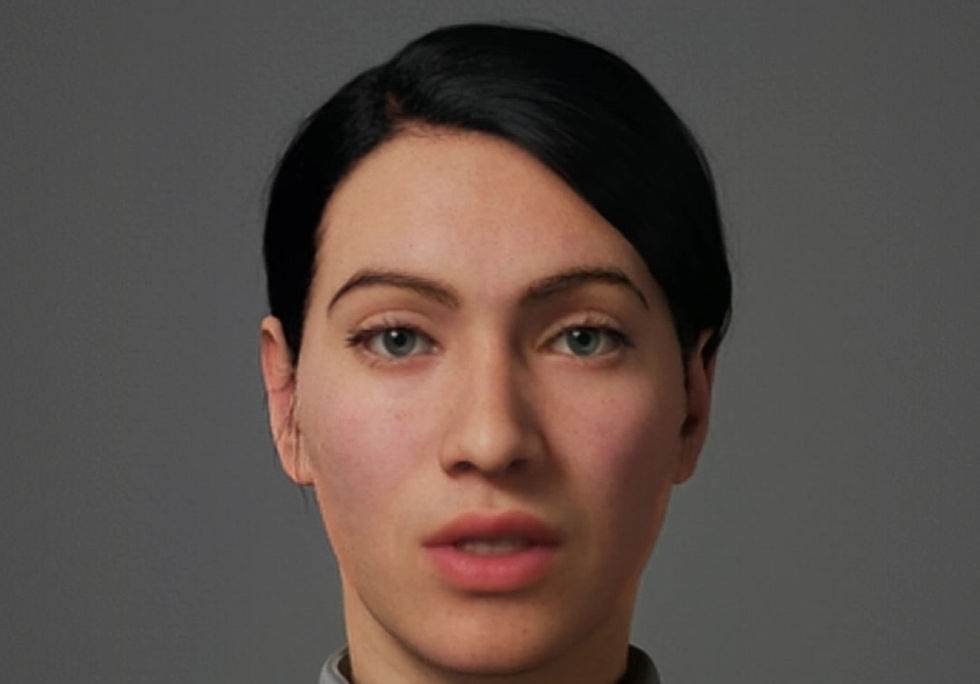
Motion capture, 3D scanning, and real-time engines are shortening the distance between performance and immersive content. A performer can drive a character live, a scanned object can become an accurate interactive asset, and a digital environment can be reviewed before a physical installation is built.
This is important because immersive projects rarely end with one deliverable. Character motion may be used in VR, projection, an avatar, a live event, and later campaign content. Accurate assets from 3D scanning and motion capture can support consistent scale and appearance across those formats, while real-time tools allow faster iteration with directors, clients, curators, and performers.
Digital twins also make planning more concrete. Teams can test sightlines, interaction zones, screen placement, lighting, and visitor flow inside a virtual model. Problems discovered there are cheaper to solve than problems discovered during installation. The model can later support training, remote review, updates, or a companion experience.
The trend is toward modular pipelines: reusable rigs, interaction components, calibrated tracking, and adaptable real-time scenes. This does not make every project look the same. It gives creative teams more time to focus on the distinctive story because foundational production work does not need to start from zero.
Measuring Immersion Without Breaking the Magic

Immersive experiences need evidence, but measurement should not turn a creative encounter into a survey. The most useful approach begins with one or two intended outcomes: understanding, confidence, dwell, participation, recall, emotional response, qualified conversation, or completion of a task.
Anonymous interaction events can show which zones attract people, where they hesitate, how long they stay, which paths they choose, and whether groups participate together. Observation explains the numbers. A high dwell time may indicate fascination, confusion, or a bottleneck; watching the audience reveals which one.
Measurement should match the visitor promise. A cultural installation may value reflection and access, while a brand activation may look at product understanding and informed follow-up. Mimic Immersive’s studio and experience capabilities connect creative design with the technical and operational planning needed to define these signals before launch.
Privacy and transparency remain non-negotiable. Collect only what supports the agreed outcome, favor anonymous events over identifiable data, explain opt-in interactions, and set retention limits. When analytics are designed into the system early, they can improve the next version without interrupting the current one.
Frequently Asked Questions
What are immersive experiences?
Immersive experiences use space, story, sound, interaction, and technologies such as XR, projection, sensors, AI avatars, or real-time 3D to make audiences feel present and able to influence what happens.
What is the difference between VR, AR, MR, and XR?
VR replaces the visible environment with a digital world. AR overlays digital information on reality. MR anchors interactive digital elements within physical space. XR is the umbrella term covering these formats.
Do immersive experiences always require a headset?
No. Projection mapping, interactive installations, spatial audio, responsive light, digital humans, mobile AR, and sensor-driven environments can create immersion without headsets.
Which immersive technology trend matters most in 2026?
The most important shift is integration: AI, XR, sensing, real-time media, and physical design are being combined around a clear visitor journey instead of used as isolated novelties.
How long does an immersive project take to produce?
A focused prototype may take weeks, while a custom exhibition or multi-room experience can take several months. Story development, content, software, fabrication, testing, accessibility, and venue integration shape the schedule.
How can brands measure immersive experience ROI?
Useful measures include participation rate, dwell time, completed interactions, product understanding, qualified conversations, recall, opt-in follow-up, staff feedback, and reusable content or systems created by the project.
How do you make immersive experiences accessible?
Offer multiple interaction routes, seated and standing options, captions, clear visual and audio cues, reachable controls, spectator modes, adjustable sensory intensity, and testing with disabled participants.
Can one immersive system be reused across venues?
Yes. Modular real-time scenes, avatar systems, sensor logic, 3D assets, and motion data can be adapted to different rooms and audiences when reusability is planned from the start.
How should an immersive experience project begin?
Begin with the audience, desired outcome, venue, and operational constraints. Then prototype the simplest interaction that can create the intended feeling or understanding before choosing the final technology stack.
Conclusion
The defining immersive technology trends of 2026 are not about adding more devices. They are about making experiences more responsive, contextual, social, accessible, reusable, and measurable. AI avatars gain spatial roles, mixed reality understands its surroundings, installations react naturally, and real-time production helps creative teams move from concept to working environment faster.
Ready to create an experience people can enter, influence, and remember? Explore Mimic Immersive’s services or contact the Berlin studio to shape an XR, interactive art, avatar, projection, or spatial storytelling project around your audience and venue.


Comments